
Fort Bend VINELink Coverage
Texas VINE through VINELink is a custody-status and notification service for people reported by participating county agencies. It can help follow a person held by the Fort Bend County Sheriff’s Office Detention Facility. Event choices can include release, transfer, escape or recapture, death in custody, and some court events, but availability depends on the record and participating agency. Check the live event menu instead of assuming every option is offered.
VINELink is not the Fort Bend jail’s official record custodian. A VINE result reflects the agency feed and its timing. It also does not establish completion of a state-prison sentence. If FBCSO reports a transfer to TDCJ, the person has left county custody but remains confined. If the person enters federal custody, use the BOP locator or federal case channel because county VINE does not cover federal imprisonment.
Search Fort Bend VINELink Records
Start with the Texas state page and open the offender or custody search. Enter the available name or identifying number. A common name may return several people, so narrow the result with the displayed age, custody agency, facility, and identifier. The reporting agency must be Fort Bend County for a county-jail check. A TDCJ result belongs to the state corrections system, even when the conviction or prison is in Fort Bend County.
- Open the Texas statewide VINELink service and choose offender search.
- Enter the full name or identifying number shown on the known custody record.
- Compare every displayed identifier and reject uncertain matches.
- Confirm the reporting agency and facility before reading the event.
- Distinguish release, transfer, escape, and other status labels.
- Cross-check a release event with FBCSO or the relevant court record.
The Fort Bend released-inmate search supplies the longer records path when a person no longer appears in VINE.
Fort Bend VINELink Result Fields
The exact display can change, but the useful fields identify the person, the reporting agency, the custody location, and the status or event. Read all fields as a set. A name without a matching agency is weak evidence. A transfer label proves movement between systems, not release to the street. Likewise, absence can result from spelling, data timing, agency participation, or the post-release retention limit.
| Field | How to use it |
|---|---|
| Name or offender ID | Match the specific person, using the ID when available. |
| Reporting agency | Confirm Fort Bend County for a county-jail event. |
| Facility or location | Separate county jail, TDCJ, and another agency. |
| Custody status | Read the stated status without inferring more. |
| Event type | Distinguish release from transfer, escape, death, or recapture. |
| Event date | Use as an alert timestamp and verify in the source record. |
For a current FBCSO detainee, the sheriff inquiry is a separate present-custody source. For a past departure, request the booking-and-release record and consult the court case. That evidence lasts longer and can identify whether the destination was the street, TDCJ, or another agency.
Register Fort Bend Release Alerts
Registration works best while the exact county record remains active. From the matched result, choose Register or the offered notification control. Select an available contact method, enter it carefully, and keep the confirmation. Telephone, email, text, or TTY options can vary. Texas also accepts county VINE registration through 877-894-8463 and the VINELink mobile app.
- Open the matched Fort Bend offender record.
- Confirm that release is one of the offered events.
- Choose a contact channel and enter the address or number.
- For telephone notices, create a four-digit PIN.
- Save the confirmation and update contact details when needed.
- When called, enter the PIN to confirm receipt of the notice.
If a telephone alert is not confirmed, automated calls may continue under the service settings. Registration is confidential and free. A later arrest may require a new registration, so an old alert profile should not be assumed to follow every new booking.
Fort Bend VINE Release Events
A release event means the participating agency reported a custody change. It should prompt a second check. FBCSO’s Bonding Office recognizes three possible destinations: TDCJ, another agency, or the street. Only the last is a clear return to the community. A court disposition can explain the legal basis, while a written sheriff request can seek the release date, destination, releasing authority, and document.
A current-custody roster and a VINE notice answer different questions. The roster can show that someone remains at the county jail. VINE can send an event notice. Neither substitutes for a durable release packet after the record ages out. Federal BOP custody is outside county VINE, and ICE custody must be checked in the immigration locator and agency channels.
Note: Verify the event type and destination before telling family or another concerned person that a Fort Bend detainee returned to the community.
Fort Bend VINE Ninety-Day Cliff
TDCJ’s Texas-specific VINE guidance says a county offender record is not kept in VINE after 90 days following release. That rule makes the system useful for a near-term watch but poor as a historical archive. A blank search months later does not disprove the booking or release. It means the user must move to the office that created the record.
For an older Fort Bend event, send FBCSO a narrow written request naming the person, approximate booking date, jail ID or booking number if known, and requested release fields. Then check the County Clerk for misdemeanor cases or the District Clerk for felony matters. Court entries may preserve the disposition after both the current jail inquiry and VINELink stop showing the person.
The Texas VINE guidance is the source for this retention limit. It also explains why users should register before disappearance, not attempt to reconstruct a long-past event from the alert portal.
TDCJ IVSS After Fort Bend Transfer
A transfer from the Fort Bend jail into TDCJ requires a new notification path. Use the TDCJ Integrated Victim Services System, create or sign into the customer account, locate the offender, select the desired prison or parole status notices, and confirm the contact methods. IVSS supports email, letter, text, and some telephone communication. It does not use the county VINE four-digit PIN process.
IVSS can cover people in TDCJ custody or on parole and mandatory supervision. Notifications may concern parole review, release to supervision, discharge, and warrant actions. Concerned citizens as well as victims, witnesses, and family members may create an account under TDCJ’s stated rules. Help is available from TDCJ Victim Services at 800-848-4284.
| Custody system | Notification route | Long-term proof |
|---|---|---|
| Fort Bend county jail | Texas VINE / VINELink | FBCSO release record and court case |
| TDCJ prison or parole | TDCJ IVSS | TDCJ record, release processing, and discharge record |
| Federal BOP | BOP channels | BOP locator and federal record |
Note: A county VINE registration does not automatically follow a person into TDCJ, so register again in IVSS after a confirmed transfer.
Texas VINELink Interface
The official Texas VINELink page shows the jurisdiction entry used for an offender search and registration.
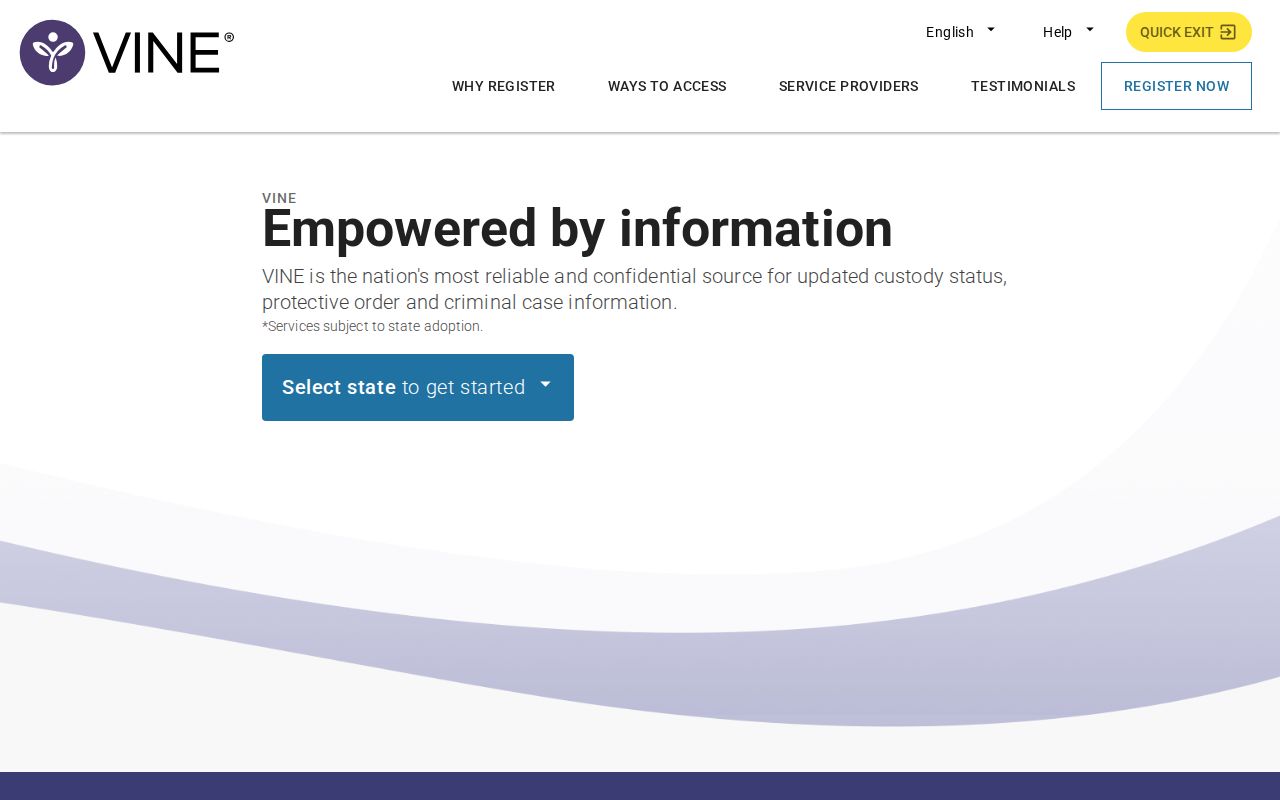
The screen is a starting point for matching one person and selecting notice options, while FBCSO and court records remain the source for lasting release confirmation.
Fort Bend Notification Records
Keep county and state registrations distinct in personal notes. Save the Fort Bend booking identifier and county VINE confirmation before a transfer. After TDCJ intake, save the seven-digit TDCJ number and the IVSS registration confirmation. This prevents an alert tied to the county booking from being mistaken for continuing coverage in the prison system. It also gives either agency enough detail to trace a missed notice.
When a phone number, email address, or mailing address changes, update it in the service that currently covers the person. One profile does not update the other. Retain the registration date and event choices offered. If release was not an available event for the matched Fort Bend record, call the statewide VINE line and use FBCSO Records for confirmation.
Search Public Records
Sponsored Results